Beauty Manufacturing Guides
The Customization Process, Step by Step
From your first brief to boxes on a truck: the private label customization process in six steps — what happens at each stage, what you decide, and what the factory carries.
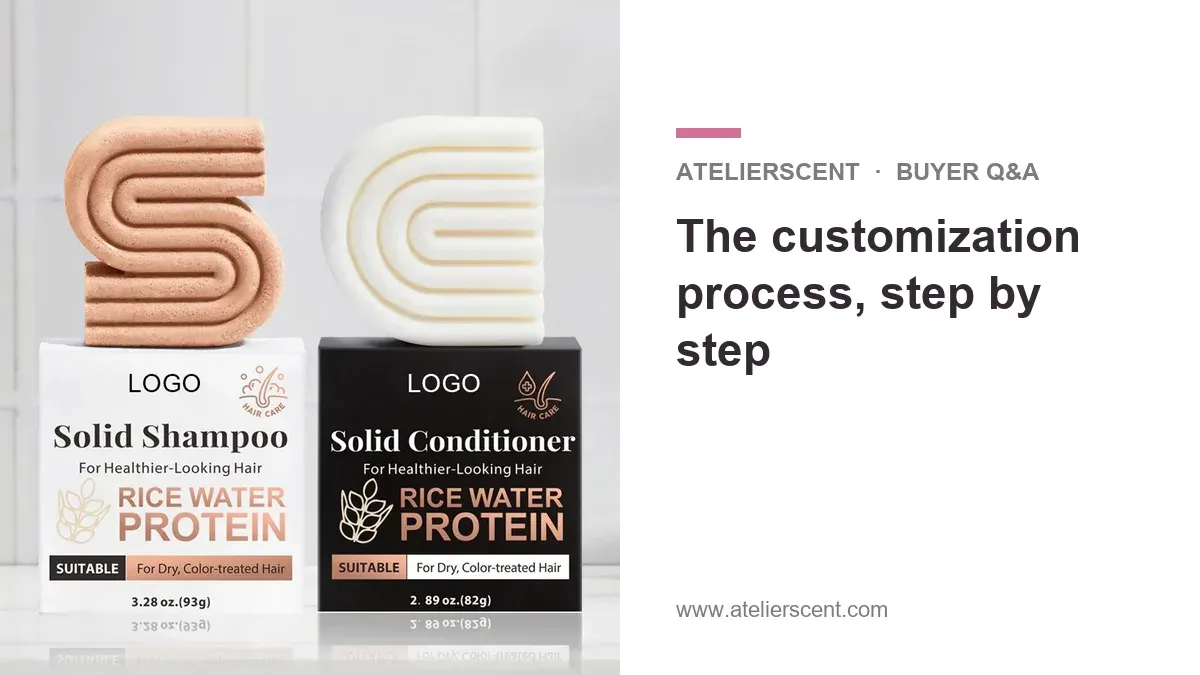
Question-and-answer number four is the one behind all the others: "how does customization actually work?" Our makeup-line method article covered the planning decisions; this one maps the operational path with the factory — six steps from your first brief to boxes on a truck, with what you decide and what the factory carries at each stage. The steps are the same whether the line is makeup, skincare or nail.
Steps 1–2: The Brief and the Quote
Everything starts with a brief: the category, the positioning, the shades or products you have in mind, written in plain language. From that brief comes a quote — attached to specifics, so the numbers you see are yours, as our MOQ article argued. The brief is also where free design support begins: your logo and packaging direction enter the process here, at no design cost, handled in-house.
Step 3: Design
The design stage turns your direction into artwork and packaging — and because it is handled in-house, the loop is short: you choose a direction, see it applied, and give feedback. This is also where the claims discipline starts: what the packaging will say gets reviewed alongside how it looks, so the box says only what the product supports.
Step 4: Sampling
Samples are the bridge we answered in the previous article: you evaluate the real product the way your customer will — texture, wear, feel — and confirm the match with what was quoted. Feedback here is the cheapest change in the whole process. When you say yes to a sample, you are saying yes to the reference that mass production will be held to.
A good process is a sequence of small confirmations. Every step ends with you saying yes — on purpose, not by accident.
Steps 5–6: Production and Shipment
Approved samples move to mass production, run under strict ISO 22716 and GMP standards with quality checked at each stage — not compressed when schedules tighten, as our lead-time article noted. Then the one-stop promise does its last job: shipment handled to your door's terms, boxes carrying your brand, in the order your routine or range was designed. After that, the process repeats in miniature at the reorder — same spec, same consistency, sized by what sold.
How Deep Can Customization Go?
The six steps stay the same; how far customization reaches inside them varies. Existing-formula private label puts your brand on proven products. ODM adds development support, so formula and shade decisions become collaborations. Where the boundaries sit for your specific idea is a per-product answer — the right move is to ask, in your brief, exactly what can and cannot be adapted.
Walk the Six Steps
Send your brief to Diana Dong, Sales Director, at Diana@vipetsy.com, and start at step one — with the quote, the design and the samples following in order.