Sep 24, 2026Beauty Manufacturing Guides
How to Choose Cosmetics Packaging for Your Private Label Brand
Packaging is the first thing customers touch and the last thing they forget. Here is how to choose packaging styles, colors, and custom design for a private label cosmetics brand.
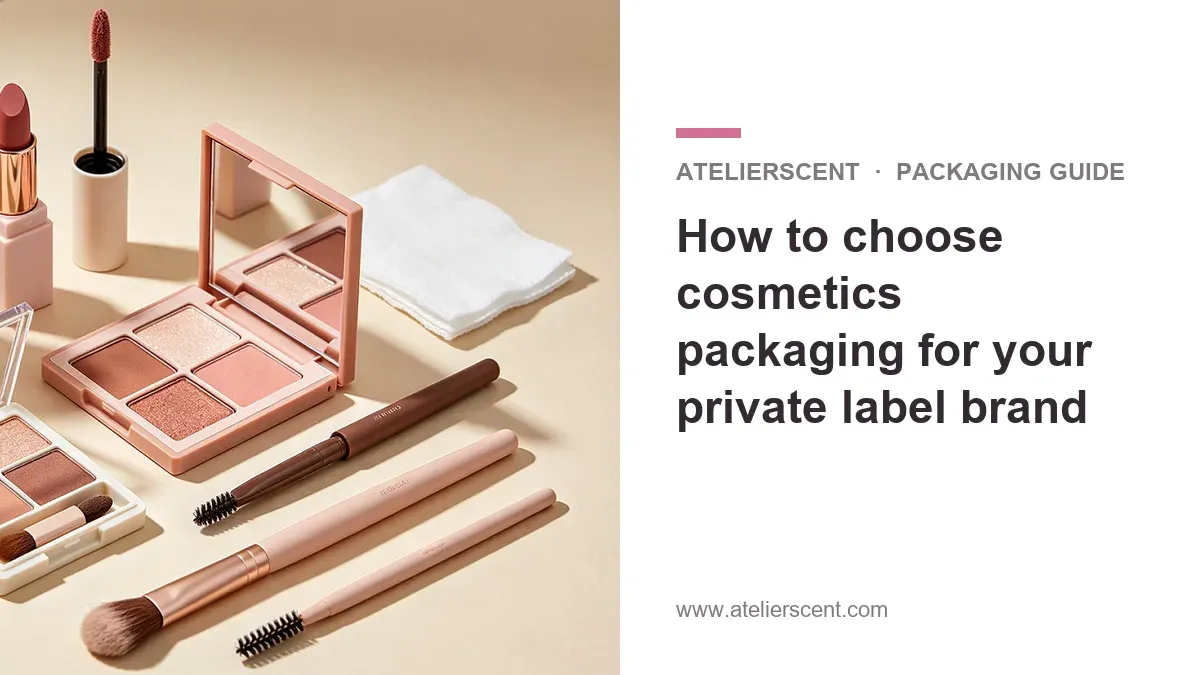
Customers decide with their eyes before their skin ever meets the formula — and in cosmetics, the package is doing most of that talking. Two products with identical formulas can sell at completely different levels depending on presentation. Here is how to approach packaging decisions for a private label line, in the order that saves you the most time and money.
Start With the Unboxing Moment You Want
Before comparing materials or shapes, picture the moment your customer receives and opens the product. Is your brand calm and minimal, playful and colorful, or luxurious and weighty? Every later choice — box color, finish, insert card — serves that moment. Brands that skip this step end up with packaging that is technically fine and emotionally forgettable.
Match the Packaging to the Product's Job
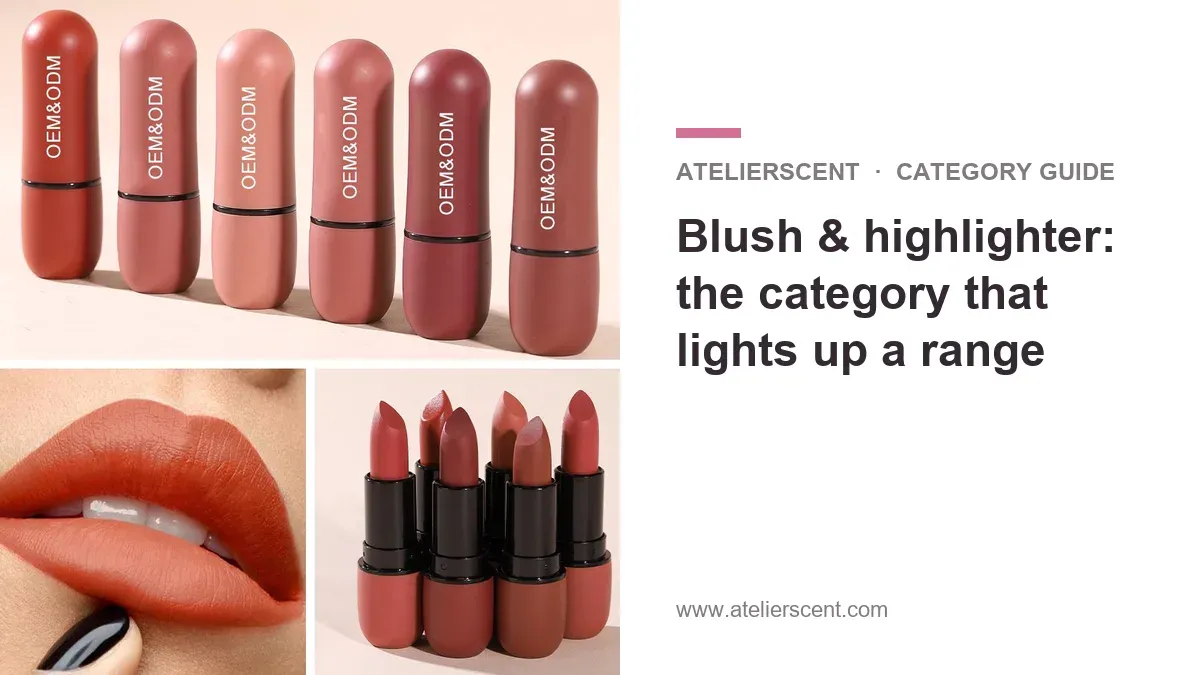
Different products carry different packaging demands. Lipsticks and lip glosses live in handbags, so the tube must survive daily carry. Skincare jars and bottles are judged by how cleanly they dispense. Choose formats for the real-life job first, then filter by looks — the reverse order produces beautiful complaints.
Use Color Deliberately, Not Decoratively
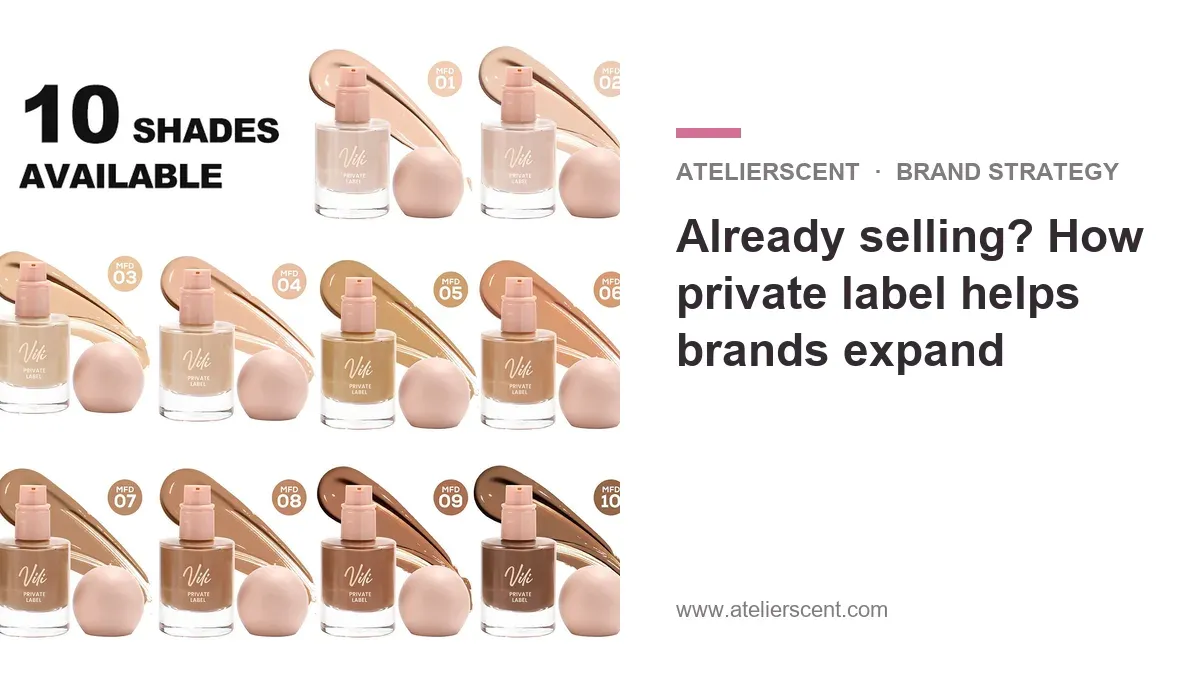
Color is the fastest brand signal on a shelf or a product page. Private label factories typically offer multiple packaging colors to choose from — pick the palette that matches your brand identity across the whole line, not per product. A consistent family of colors is what makes a range read as 'a brand' instead of 'a collection of items'.
Get Custom Design Included, Not Bolted On
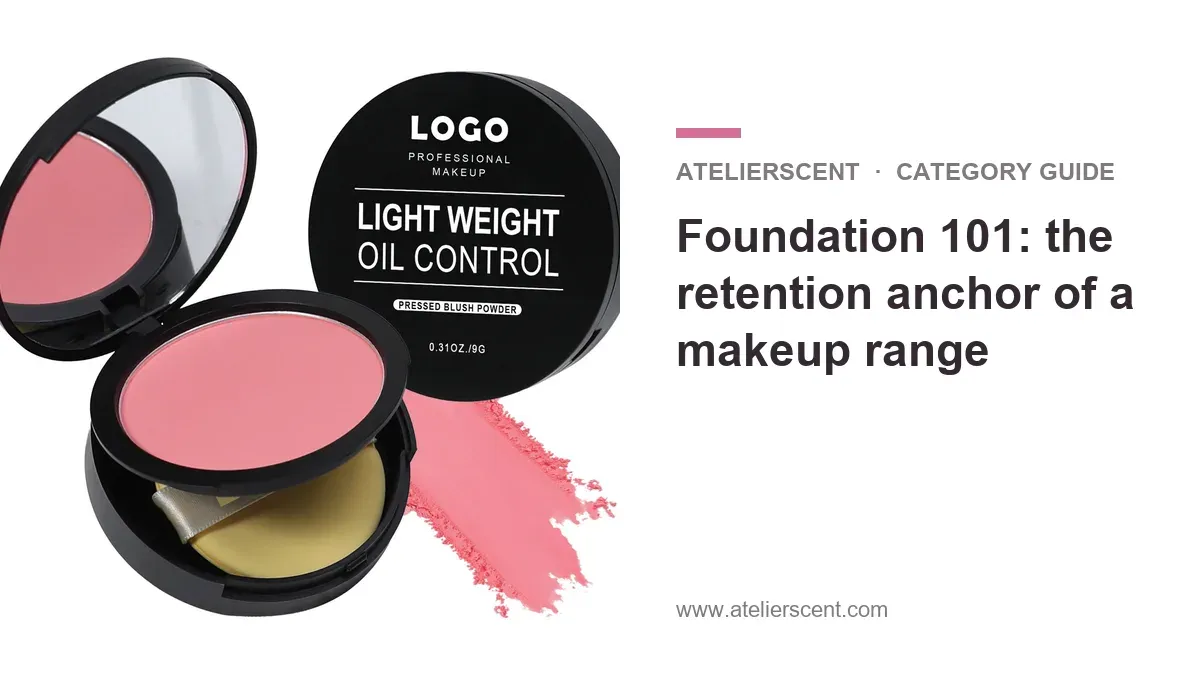
For private label brands, packaging design is not an accessory to the manufacturing decision — it is half of it. Some factories expect finished artwork from you; some charge design fees per revision. Factories like Atelierscent include logo and packaging design free for clients, which changes the economics: you can iterate toward the right look without watching the bill.
The package is the only part of your product every single customer will touch. Budget your attention accordingly.
Confirm Packaging in the Sample Round
Whatever you choose, confirm it physically. The sample round exists precisely for this: check how the color looks in real light, how the cap closes, how the box prints. Packaging flaws caught at the sample stage cost a revision; the same flaws caught after mass production cost a season.
Design Your Packaging With Us
At Atelierscent, custom logo, colors, and packaging design are available across makeup, skincare, and nail lines — and design is free for clients, with low MOQ to keep your first run manageable. Share your brand direction with Diana Dong (Sales Director) at Diana@vipetsy.com, and packaging proposals will follow your brief.